My Books on Amazon






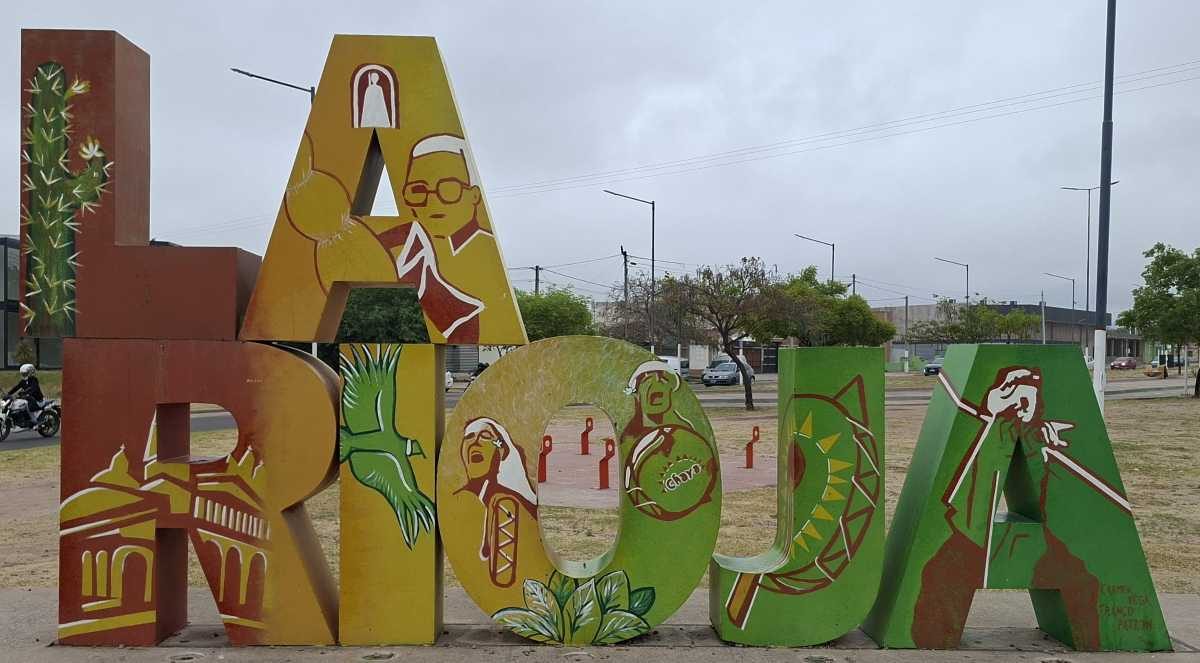
La Rioja, AR - A Town with an Interrupted History
November 4, 2026
La Rioja, Argentina - population of around 211,000 (as of 2022), is officially named "Ciudad de Todos los Santos de la Nueva Rioja." It was founded in 1591. The city was flattened by a magnitude 6.4 earthquake in 1894. Then again, in 1957, it was hit by a 6.0 magnitude earthquake. Then in 2002, it was again hit by another 6.0 magnitude earthquake.
So, the town was founded in 1591, but two years later a group of indigenous people, the Diaguita people, rebelled and tried to take the city. The uprising came to an end with Franciscan friar Francisco Solano calming the Diaguitas down and bringing the rebellion to an end. In 1820, after an army uprising in another town, some of the rebels deposed the lieutenant governor and put in their own man. That resulted in a period of anarchy, until Commander Quiroga imposed himself as governor and brought things back into control. Then came the big earthquake in 1894, which destroyed almost every building in the town. 1939 saw the first paved road, the main street through town, as well as upgrades to the various government buildings, and the town's first radio station. And the 1950s saw improvements to the hospitals, some new schools, and the drinking water system expanded.
La Rioja's climate sees mild and dry winters, and summers are rainy and hot. Typical highs range from around 20° C (68° F) to the mid-30s° C (95° F). Typical lows range from around 4° C (39° f) to around 20° C (68° F). The town sees a yearly average of 407 millimeters (16 inches) of rain per year.
During my walk around town, I came across quite a few old houses, all of which were rebuilt after the 1894 earthquake, but still have at least most of their original styling. One is the house of Joaquín Víctor González (1863–1923). He was a writer, jurist, and founder of the Universidad de La Plata. He was also governor of La Rioja from around 1889 to 1891. I took a pic of a house on Calle Rivadavia, with the provincial archive stored in it, is his. You'll find the pics in the photo album. Another I came across is called "Asilo del Carmen." The Spanish word "asilo" translates to "asylum." The building I took pics of was built in 1898. In 1912, a Neo-Gothic style chapel was added to the property. Also in the photo album are a couple of pics of a brick tower that has what might appear to be a house or building. It's actually an enclosed water tower. The national water utility in Argentina, throughout the first half of the 20th century, dressed up their water towers, often to architecturally match nearby buildings.
La Rioja does have some interesting architecture, though almost none of it is original. Much of it was rebuilt after the 1894 earthquake, so what you see is at least 100 years old. Otherwise, the town seems to have forgotten that there are neighborhood parks (they appear to have had little maintenance in a long time). The town isn't as pretty as San Juan (I visited a couple of days ago) and posted a blog about it a few days ago, as well. But for a meal break on a long drive, it'll do.

I used to teach English as a foreign language in Barranquilla, Colombia. Now I'm retired and traveling throughout South America.
I'm from Kennewick, Washington, USA. In my previous life, as I call it, I was an IT guy, systems administrator, computer tech, as well as a shipping/receiving guy and also worked as a merchandising guy in a RV/Camping store.