My Books on Amazon




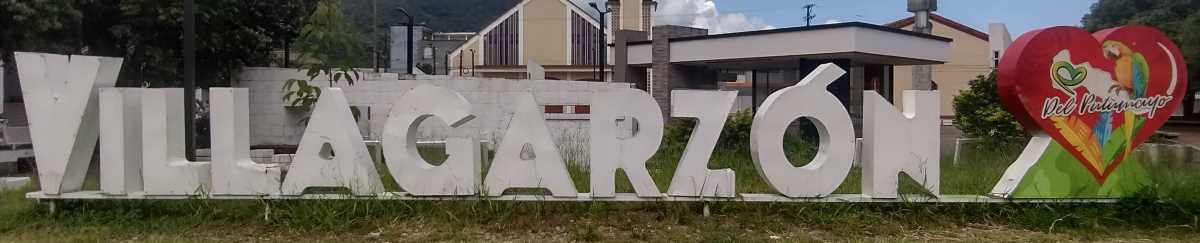
Villagarzón, Colombia
October 7, 2025
Villagarzón is a small town in south-central Colombia. According the 2018 census had around 23,700 people overall, with about 13,742 in the urban area. The town is often called the “Heart of Putumayo,” reflecting its centrality in culture, ecology, and movement between regions. Putumayo is the departamento, or province, that it is located in.
Reference: Wikipedia
Name, founding & history
Originally, the area was known as Urcusique. In the 1930s and 1940s settlers decided to move the settlement to flatter land (less hilly), giving a more favorable base for expansion. Villagarzón was officially founded on December 8, 1946 by Colonel (r) Julio César Garzón Moreno, who became its first mayor. The name “Villagarzón” honors him (the original name “Villa Amazónica” was changed later). Over time, the town evolved from frontier settlement toward municipal status. In 1963 it became a corregimiento (an administrative subdivision) of Mocoa, and later, by Decree No. 574 of March 14, 1977, Villagarzón was elevated to full municipality status, with official administration starting May 2, 1977.
Reference: Wikipedia
Geography & climate
Its elevation is relatively low — about 426 meters above sea level — placing it in a humid, tropical foothill (piedemonte) zone between the Andes and the Amazon. Villagarzón lies in the piedemonte region, transitioning from Andean foothills into the Amazon basin. The municipality is crisscrossed by many rivers: San Juan, Conejo, Chalguayaco, Vides, Alguacil, San Vicente, San José, Guineo, Juanambú, Picudo Grande, and the mighty Putumayo itself. Its climate is tropical rainforest (Köppen Af) — extremely wet, warm, and overcast for much of the year. The average temperature hovers around 25 °C, with little seasonal break. Rain is abundant, humidity is high, and cloud cover is frequent. That means trails get muddy, rivers swell, and afternoons often invite rain. The forest edges, riverbanks, and shade become precious escapes from heat and moisture.
Reference: Wikipedia
Economy & livelihoods
Villagarzón’s economy is diversified but grounded in primary production and extractive sectors. According to municipal and regional sources, its main economic sources include: Agriculture & livestock: cattle ranching (milk and beef), and cultivation of staples such as yuca, plátano, corn, and chontaduro (a palm fruit); Forestry / timber extraction: given the forested landscape, wood (legal or otherwise) has been part of the equation; Hydrocarbons / oil: as with many parts of Putumayo, oil exploration and extraction play a role in the regional economy and state revenue; Fishing, smaller-scale animal husbandry: for local consumption and commerce in riverine zones. In short, many folks juggle multiple roles: farming, trading, guiding, and maybe bits of forestry or oil-adjacent work.
Reference: Wikipedia
Reference: EcoTurismo Putumayo
Tourism & Ecotourism
Ecotourism has been growing more recently, especially in attractions like Salto del Indio, “Donde se Oculta el Sol”, El Rincón del Vides, and reserves around rivers and cascades.
Villagarzón offers more in the way of nature and quiet escape than flashy city attractions. Here are spots you might try:
- Salto del Indio: a local waterfall and swimming spot praised for its clear pools and forested surroundings.
TripAdvisor - El Rincón del Vides / Río Vides: nature trails, river views, and forest immersion.
EcoTurismo Putumayo - Donde se Oculta el Sol: this is a tourism operation that creates nature-based experiences: trails, connection with ancestral culture, nights in cabins, etc.
Ecoturismo Putumayo - Charco del Indio / balnearios de río: low-key river swimming holes, shady banks, relaxing in water.
Ecoturismo Putumayo - Petroglyphs, caves: in the Vides / Urcusique zones, there are rock art sites, caves with fossils, “cavernas marinas” (marine fossil caves) and geological curiosities.
Wikipedia - Amazon Experimental Center & Suruma Museum: Villagarzón lies near ecological institutions and in the broader Putumayo zone with the Suruma archaeological museum in the regional network.
Wikipedia
My Impressions
Villagarzón is no touristic spectacle, it's a working town straddling forest and human life, with the rhythms of agriculture, rivers, and extraction always present. The Plaza Central is one of the worst I've seen in 8 countries and over 300 cities in South America. A hidden cascade, a quiet riverbank, petroglyphs, a side trail into forest shade (all outside of town) — those are its gifts. Should you add Villagarzón to your must-see list for Colombia? No. Well, maybe if you really want to explore those locations outside the town, but be sure to take a local guide with you, one who is probably armed, Putumayo, outside the towns, is not safe.

I used to teach English as a foreign language in Barranquilla, Colombia. Now I'm retired and traveling throughout South America.
I'm from Kennewick, Washington, USA. In my previous life, as I call it, I was an IT guy, systems administrator, computer tech, as well as a shipping/receiving guy and also worked as a merchandising guy in a RV/Camping store.