There are 479 blog posts for you to enjoy.
The Town Where the Mountain Tells the Time: My Visit to Zamora
February 9, 2026
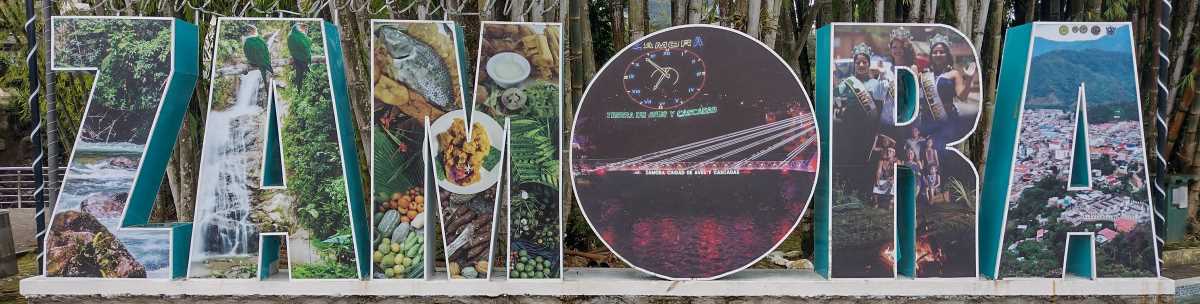
Zamora, Ecuador - population about 18,000, the canton (county) is about 30,000. The town sits in a tight valley between the Amazon Basin and the Andes Mountains. The town sits at 970 meters (3,182 ft) and the Rio (River) Zamora cuts through town, and there is a very nice park alongside the river. The Rio Bombuscaro runs alongside the opposite side of town and flows into the Rio Zamora at the edge of town, making quite a large confluence. There is a creek (Quebrada) that cuts through the suburban neighborhood called El Limon and dumps into Rio Zamora. That is called Quebrada El Limon, though on Google Maps it's not labeled and mostly not even shown to exist.
Read More
From Puyo to Zamora: A Rainy Reconnaissance Mission
February 7, 2026
Gualaquiza and Yantzaza, Ecuador, are both in the Amazon region on the eastern side of the Andes Mountains. They are quite wet towns, it rained every day I was in both of them. Gualaquiza is interesting in that they have a much bigger love for volleyball than futbol (soccer). There are only a couple of futbol canchas (fields, though they are more often concret than dirt/sand/grass) in town, and many volleyball courts. Across the street from my hotel room were 2 volleyball courts crowded with people watching the games, and BBQs cooking food. I stayed in Gualaquiza for 3 full days. This was my second visit. I like this town, but the rain has caused me to move it to number 5 on my top 5 list of potential new home towns. I wrote a full blog about Gualaquiza on Aug. 20, 2025.
Read More
Dark Patterns - the Modern Internet Part 6
February 4, 2026
Have you ever wondered, Why can't websites be built in a way that actually works properly, makes sense, and are truly useful? For example: Facebook (full of problems - I'm logged in, of course, and looking at my profile page and I used the search to find, for example, all posts with "Marx" - searching for Groucho Marx quote-memes. There are 5 of them. There they are, fully visible, in all their glory, and a 3-button hamburger menu. Oh, but what is that? A menu with only one option? Does that qualify as a menu? Not in my opinion. That one option is to save the post. So, if I want to delete the post I'm looking at, I have to click the post to look at the same post in another view, then I get a menu with many options. Why can't they just put that menu on the previous view of the post? Seriously, building a working website is not rocket science.
Ha! Welcome to the modern web, where billion-dollar companies somehow still can't design a menu that behaves like...you know...a menu.
The thing is, these sites could be built sensibly. They just aren't. And it's not because the engineers don't know how, it's because the entire product philosophy of Big Web is, well, dumb by design.
Read More
Puyo, Ecuador: A Pleasant Amazon Town That Just Works
January 31, 2026
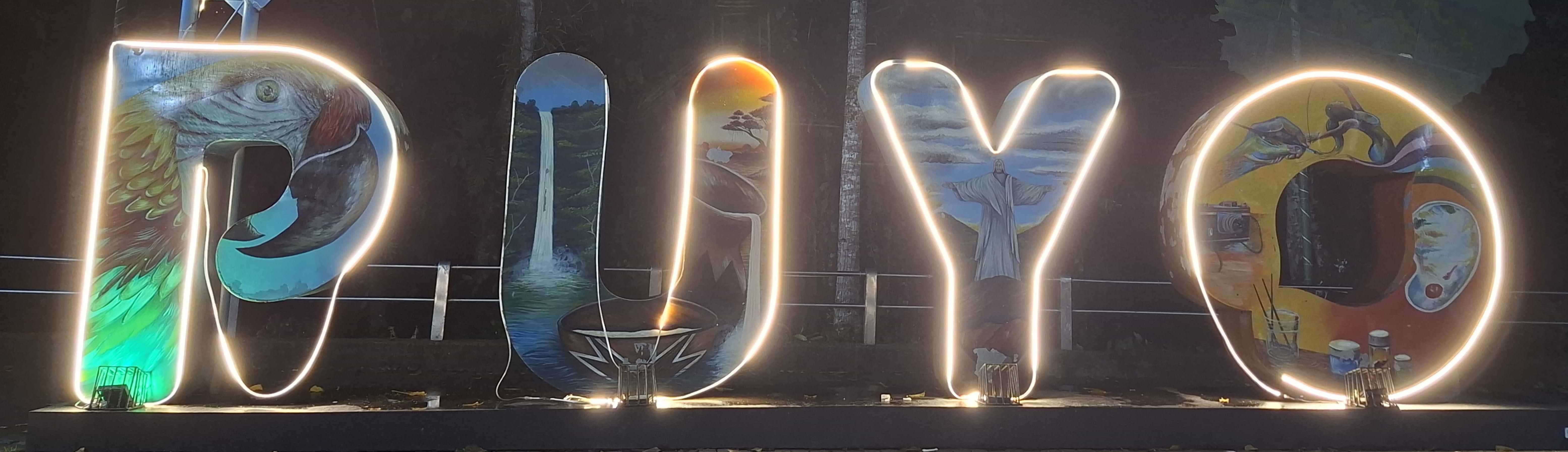
Puyo, Ecuador - on the Amazon side of the Andes Mountains in central Ecuador, has a population of
around 34,000 in the town and maybe closer to 40,000 in the metropolitan area. I've been here for four days. This is my
fourth visit. That brings me to ten days here. Puyo is an Amazon town, surrounded by the rain forest, with the Rio Pindo
Grande running through the town on one side, and the Puyo River running along the other side. Across the Puyo River is
all jungle. The town, while not historic or loaded with historic buildings, is a very pleasant place to stay if you're
passing through this region.
Read More
Dark Patterns - the Modern Internet Part 5
January 28, 2026
Have you ever wondered, Why can't websites be built in a way that actually works properly, makes sense, and are truly useful? For example: Facebook (full of problems - I'm logged in, of course, and looking at my profile page and I used the search to find, for example, all posts with "Marx" - searching for Groucho Marx quote-memes. There are 5 of them. There they are, fully visible, in all their glory, and a 3-button hamburger menu. Oh, but what is that? A menu with only one option? Does that qualify as a menu? Not in my opinion. That one option is to save the post. So, if I want to delete the post I'm looking at, I have to click the post to look at the same post in another view, then I get a menu with many options. Why can't they just put that menu on the previous view of the post? Seriously, building a working website is not rocket science.
Ha! Welcome to the modern web, where billion-dollar companies somehow still can't design a menu that behaves like...you know...a menu.
The thing is, these sites could be built sensibly. They just aren't. And it's not because the engineers don't know how, it's because the entire product philosophy of Big Web is, well, dumb by design.
Read More