My Books on Amazon






There are 117 blog posts for you to enjoy.
Camaná, Perú
March 14, 2023
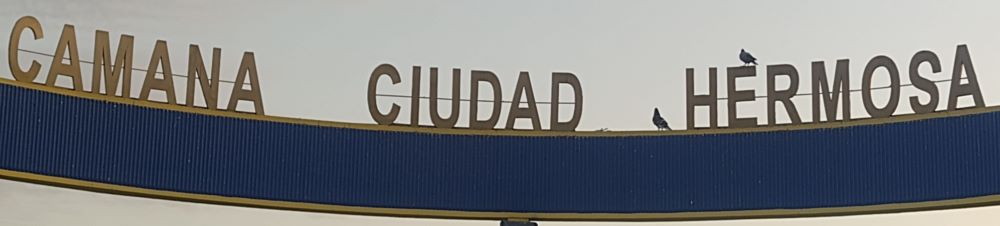
Camaná, Perú: population: about 13,000. "La Villa Hermosa" or "The beautiful town," also "El valle más fértil de América" or "The most fertile valley in America".
The history of Camaná, well, there's very little online. The Spanish founded the town in November 1539 with the name Villa Hermosa. Then in 1540, they moved on to the area of Arequipa, about 180 kilometers southeast. In September, Camaná was founded a second time, this time with the name "Villa de San Miguel de Ribera." Camaná has a series of more than 10 beaches to its claim.
Read MoreAtico/La Florida, Perú
March 11, 2023
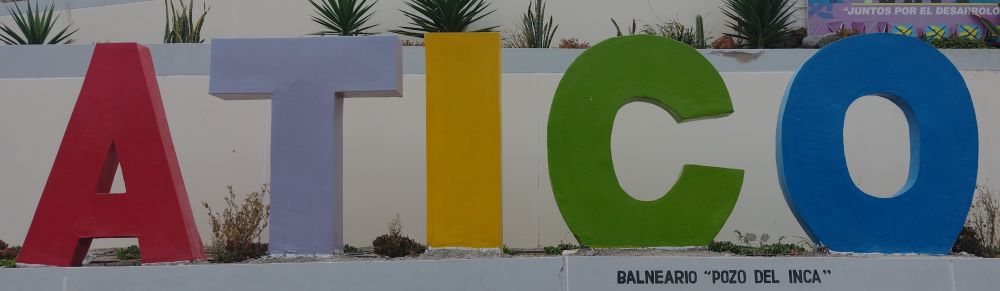
Atico & La Florida, Perú: population: about 6,000. There are two parts to Atico—the village of Atico sits about 4 kilometers inland in a valley (supposedly has a population of less than 300) and the tiny town of La Florida (the official name, though it is commonly called Atico) sits beach-side. The population number is probably for both combined, but I haven't been able to confirm that. The name 'Atico' is pronounced with the emphasis on the 'i' in the second syllable - Atico.
Read MoreNazca, Perú
March 9, 2023
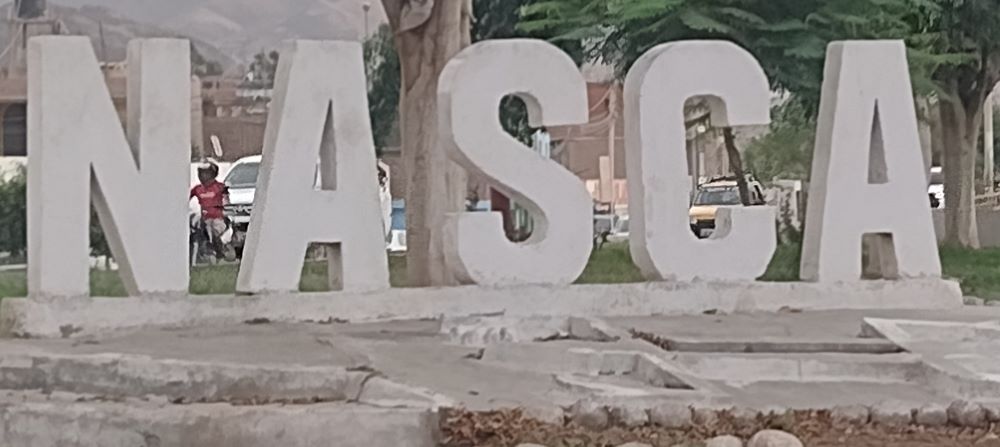
Nazca, Perú: population: about 30,000, but if you include its immediate neighboring town of Vista Alegre the population is around 50,000.
The history of Nazca is complicated by the fact that there are two - one starts with the founding in October 1548 and the other in the year 1591. The first was ordered by Pedro de la Gasca and carried out by Don Alonso de Mendoza. The second history says Viceroy García Hurtado de Mendoza founded the town, then the Marquis of Cañete. Nazca (also spelled with the more recently added s - Nasca) was famous for cultivating the grapes used in grape brandy and consumed by the slaves. The pisco whiskey was for the higher class, those who owned the slaves. The valley was originally called Caxamarca, and the original documents of the town refer to Nazca as the town of Caxamarca de la Nazca.
Read MoreIca, Perú
March 5, 2023
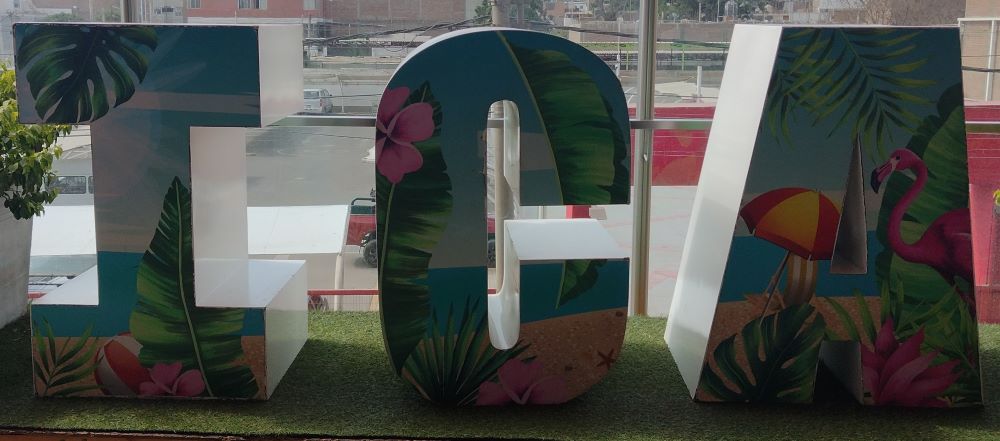
Ica, Perú: population: about 170,000. The Ica valley is primarily an agricultural area where they grow such crops as cotton, grapes, asparagus, avocado, mango, olives, and other produce. Ica is known by Perúvians as the "Land of Eternal Sun".
The history of Ica dates back a very long time. Scientists have found fossils of penguins dating back 30 million years. They say those penguins were 4 1/2 to 5 feet tall and had a beak about a foot long. No kidding, they have the fossil evidence. As for people, there have been several different indigenous groups in the Ica area for thousands of years, with the Incas being the most recent indigenous group, that is, until the Spaniards arrived and conquered them. The Spaniards founded Ica in 1563. The Regional Museum of Ica has many artifacts from the indigenous people who lived here in the past. In 2007, there was an earthquake of 8.0 that did huge damage to the city and initially killed at least 17 people, then the church collapsed and killed another 70.
Read MorePisco, Perú
February 26, 2023
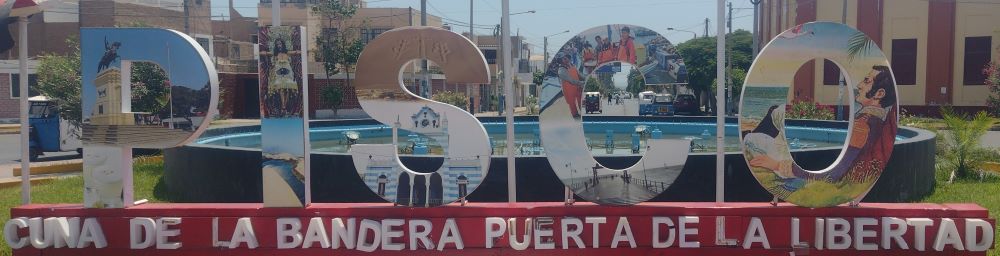
Pisco, Perú: population: about 86,000. Pisco is a town on the coast of central Perú. It's generally a nice place, the majority of the city is clean, and they have a new mall, granted it's not big, but it's new. My first impressions are that I like Pisco, but then, just this morning, I walked into the city center looking for a restaurant serving breakfast. I found a few. My first question for each was "What kind of coffee do you have? Instant or filtered?" They all replied, "instant". I turned around and walked out. In one restaurant the waitress said, "filtered" and pointed to the coffee machine so I said, "Great, give me a cup of coffee, black." And she asked, "What? We have cappuccino, frappuccino, crapaccino, etc." I asked for Black Coffee, simple regular black coffee. She had no idea what I was asking for. I couldn't get her to understand that I wanted only regular unadulterated black coffee. I turned around and walked out of there. So, I'm eating mixed nuts for breakfast and drinking water with lemon. I suppose it is healthier. Then this evening, I went to the mall to the big grocery store to buy two bottles of water with pineapple flavor. It's the only store in Pisco I have found this water in. The two bottles came to around 8 soles (Perúvian money) and I gave her a 20 sole bill. She said it was too large for only 8 soles and she couldn't accept it. I said, "Seriously? The difference is only 12 soles, you have that in coins." She said something about the policy for amounts under 10 soles and not accepting bills of 20 or higher. I couldn't believe it and left without buying anything there. What a stupid policy, especially when the store is jam-packed with customers waiting in long lines.
Read More
I used to teach English as a foreign language in Barranquilla, Colombia. Now I'm retired and traveling throughout South America.
I'm from Kennewick, Washington, USA. In my previous life, as I call it, I was an IT guy, systems administrator, computer tech, as well as a shipping/receiving guy and also worked as a merchandising guy in a RV/Camping store.